top of page
Search

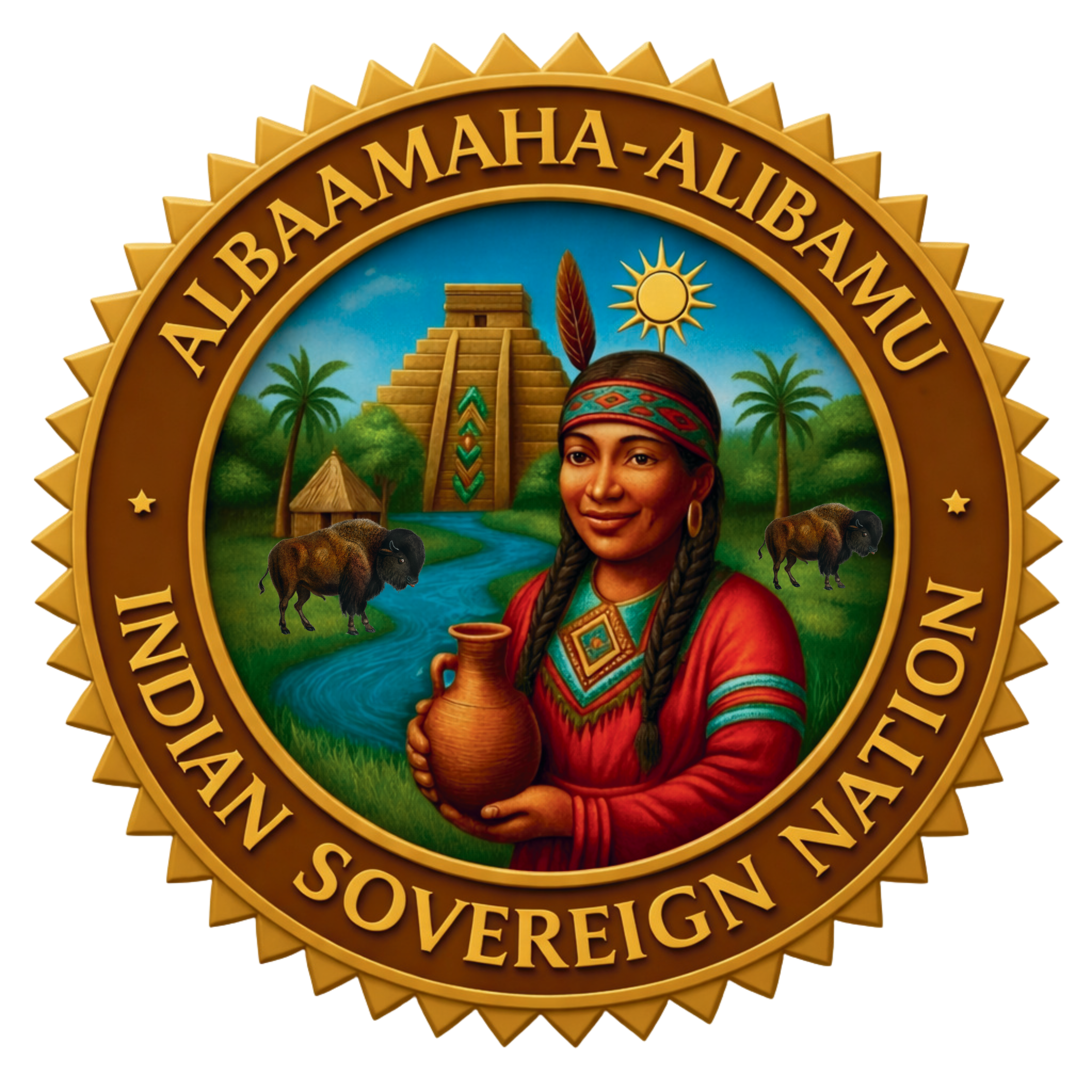
Albaamaha-Alibamu: Embracing Sovereignty and Sacred Culture
Updated: 5 hours ago

In a world increasingly defined by globalization and cultural homogenization, the concept of sovereignty and the preservation of sacred cultures have never been more crucial. Albaamaha- Alibamu, a term that resonates deeply within communities striving to maintain their identity, serves as a beacon for those seeking to embrace their heritage while navigating the complexities of modern life. This blog post explores the significance of Albaamaha-Alibamu, its implications for cultural sovereignty, and how communities can actively engage in preserving their sacred traditions.


Eye-level view of a traditional cultural gathering with vibrant attire
A traditional cultural gathering showcasing vibrant attire and community spirit.

Understanding Albaamaha


Albaamaha-Alibamu is more than just a word; it embodies a philosophy that champions the rights of communities to govern themselves and uphold their cultural practices. This concept is particularly relevant for indigenous populations and marginalized groups who face the threat of cultural erosion.


The Roots of Albaamaha-Alibamu


The origins of Albaamaha-Alibamu can be traced back to various indigenous cultures that have long fought for recognition and respect. These communities often find themselves at a crossroads, where the pressures of modernity clash with the need to preserve their unique identities.


  • Cultural Heritage: At its core, Albaamaha-Alibamu emphasizes the importance of cultural heritage. This includes language, art, rituals, and traditional knowledge that have been passed down through generations.

  • Self-Determination: The principle of self-determination is central to Albaamaha-Alibamu. It advocates for the right of communities to make decisions about their own governance, resources, and cultural practices without external interference.


The Importance of Cultural Sovereignty


Cultural sovereignty is the ability of a community to maintain and develop its cultural identity. This is particularly important in a world where globalization often leads to the dilution of local customs and traditions.


Why Cultural Sovereignty Matters


  1. Identity Preservation: Cultural sovereignty allows communities to preserve their unique identities. This is vital for fostering a sense of belonging and pride among members.

  2. Resilience Against Assimilation: By asserting their cultural sovereignty, communities can resist pressures to conform to dominant cultures. This resilience is crucial for maintaining diversity in a globalized world.

  3. Empowerment: Cultural sovereignty empowers communities to take charge of their narratives. It enables them to share their stories, traditions, and values on their own terms.


Challenges to Cultural Sovereignty


Despite its importance, cultural sovereignty faces numerous challenges. Understanding these obstacles is essential for developing effective strategies to overcome them.


External Pressures


  • Globalization: The rapid spread of global culture often undermines local traditions. As people are exposed to homogenized media and consumer culture, unique customs may be lost.

  • Political Marginalization: Many indigenous and marginalized communities struggle for recognition and representation in political spheres. This lack of voice can hinder their ability to advocate for their rights.


Internal Struggles


  • Generational Gaps: As younger generations become more influenced by global culture, there may be a disconnect from traditional practices. Bridging this gap is essential for the continuity of cultural heritage.

  • Resource Limitations: Many communities lack the resources needed to actively promote and preserve their cultural practices. This can include funding for cultural programs, educational initiatives, and community events.


Strategies for Embracing Albaamaha-Alibamu


To effectively embrace Albaamaha-Alibamu and promote cultural sovereignty, communities can adopt several strategies.


Education and Awareness


  1. Cultural Education Programs: Implementing educational programs that focus on cultural history, language, and traditions can help instill a sense of pride in younger generations.

  2. Community Workshops: Organizing workshops that teach traditional crafts, music, and dance can engage community members and foster a deeper connection to their heritage.


Advocacy and Representation


  • Political Engagement: Encouraging community members to participate in political processes can help ensure their voices are heard. This can involve advocating for policies that protect cultural rights and resources.

  • Collaborative Networks: Building alliances with other communities facing similar challenges can amplify voices and strengthen advocacy efforts.


Celebrating Cultural Practices


  1. Cultural Festivals: Hosting festivals that celebrate traditional practices can bring communities together and attract visitors, fostering appreciation for cultural diversity.

  2. Art and Expression: Supporting local artists and performers can help keep cultural expressions alive. This can include funding for art projects, performances, and exhibitions that showcase traditional practices.

  3. Language: The Alibamu (Albaamaha) People are an Indigenous Muskogean nation whose original language, Alibamu, belongs to the Creek linguistic family. This sacred language gave rise to the name of the Alabama River and the modern State of Alabama, affirming the enduring presence of our people upon this land since time immemorial.


Case Studies of Successful Cultural Sovereignty


Examining successful examples of cultural sovereignty can provide valuable insights for communities looking to embrace Albaamaha-Alibamu.


The Maori of New Zealand


The Maori people of New Zealand have successfully asserted their cultural sovereignty through various initiatives. Their efforts include:


  • Language Revitalization: The Maori language, te reo Maori, has seen a resurgence through educational programs and media representation.

  • Cultural Festivals: Events like the Te Matatini festival celebrate Maori performing arts, drawing attention to their rich cultural heritage.


The Sami of Northern Europe


The Sami people, indigenous to the Arctic regions of Norway, Sweden, Finland, and Russia, have also made significant strides in cultural sovereignty:


  • Political Representation: The establishment of the Sami Parliament in Norway has provided a platform for Sami voice

  • s in governance.

  • Cultural Preservation: Initiatives to promote traditional reindeer herding and handicrafts have helped maintain their cultural practices.


The Role of Technology in Cultural Preservation


In today's digital age, technology can play a pivotal role in preserving and promoting cultural sovereignty.


Digital Storytelling


  • Online Platforms: Communities can use social media and websites to share their stories, traditions, and cultural practices with a global audience.

  • Virtual Workshops: Hosting online workshops can engage younger generations and those living away from their communities, ensuring that cultural knowledge is passed on.


Archiving Cultural Heritage


  • Digital Archives: Creating digital archives of traditional songs, stories, and art can help preserve cultural heritage for future generations.

  • Collaborative Projects: Partnering with universities and cultural institutions can provide resources and expertise for archiving efforts.


Conclusion


Embracing Albaamaha is not just about preserving the past; it is about empowering communities to shape their futures. By asserting cultural sovereignty, communities can navigate the complexities of modern life while honoring their sacred traditions. The journey may be fraught with challenges, but the rewards of cultural resilience and identity preservation are invaluable.


As we move forward, let us support and celebrate the diverse cultures that enrich our world. Whether through education, advocacy, or the use of technology, every effort counts in the quest to embrace sovereignty and sacred culture.


Call to Action


Join the movement to support cultural sovereignty. Engage with local communities, participate in cultural events, and advocate for policies that protect cultural rights. Together, we can ensure that the rich tapestry of human culture continues to thrive for generations to come.


Comments


bottom of page